
Thank you for your submission
Your response is greatly appreciated.
Have you seen our latest news articles





Your response is greatly appreciated.
In the decision of Leon Cycle Pty Ltd v Hi5 Scooters Pty Ltd and Jamal Raad Raad, Her Honour Judge Burchell held that the Licensing Agreement between Leon Cycle and Hi5 Scooters was not a franchising arrangement for the purposes of the Franchising Code of Conduct.
The Div 296 bill was introduced to parliament on 11 February 2026. So what were the changes from Treasury’s draft legislation? For a summary of the draft legislation see our articles – part 1, part 2, part 3 and part 4.
As the holiday season concludes and the countdown to another 30 June begins, we highlight 10 income tax issues that we expect will dominate the Australian private wealth landscape over the coming months.
This is our fourth article on the draft legislation for the new Div 296. Our first article examined the core legislation; our second article examined the transitional rules and the third article considered the problem that arises for indirect assets. This article will examine other issues with the proposed new Div 296.
This is our third article on the draft legislation for the new Div 296. Our first article examined the core legislation; while our second article examined the transitional rules. This article will examine how Div 296 will operate for indirect assets – for example where an SMSF holds assets via a unit trust or a company.
Sladen Legal is proud to announce these well-deserved promotions effective 1 January 2026.
This is our second article on the draft legislation for the new Div 296. Our first article examined the core legislation. This article will examine the transitional rules including the CGT adjustment and two rules that just apply for the 2026/27 year.
With the implementation of an updated Franchising Code of Conduct and numerous court decisions on the obligations of franchisors and franchisees, 2025 was a big year in franchising.
We’re recapping the big changes and key takeaways from 2025 that franchisees and franchisors in this article.
Treasury released its draft legislation on 19 December 2025 for the new Div 296 and at the time of writing this article the draft legislation was open for consultation (closing 16 January 2026).
The Victorian State Government has announced new taxes to partially fund the Suburban Rail Loop as part of “value capture” arrangements.
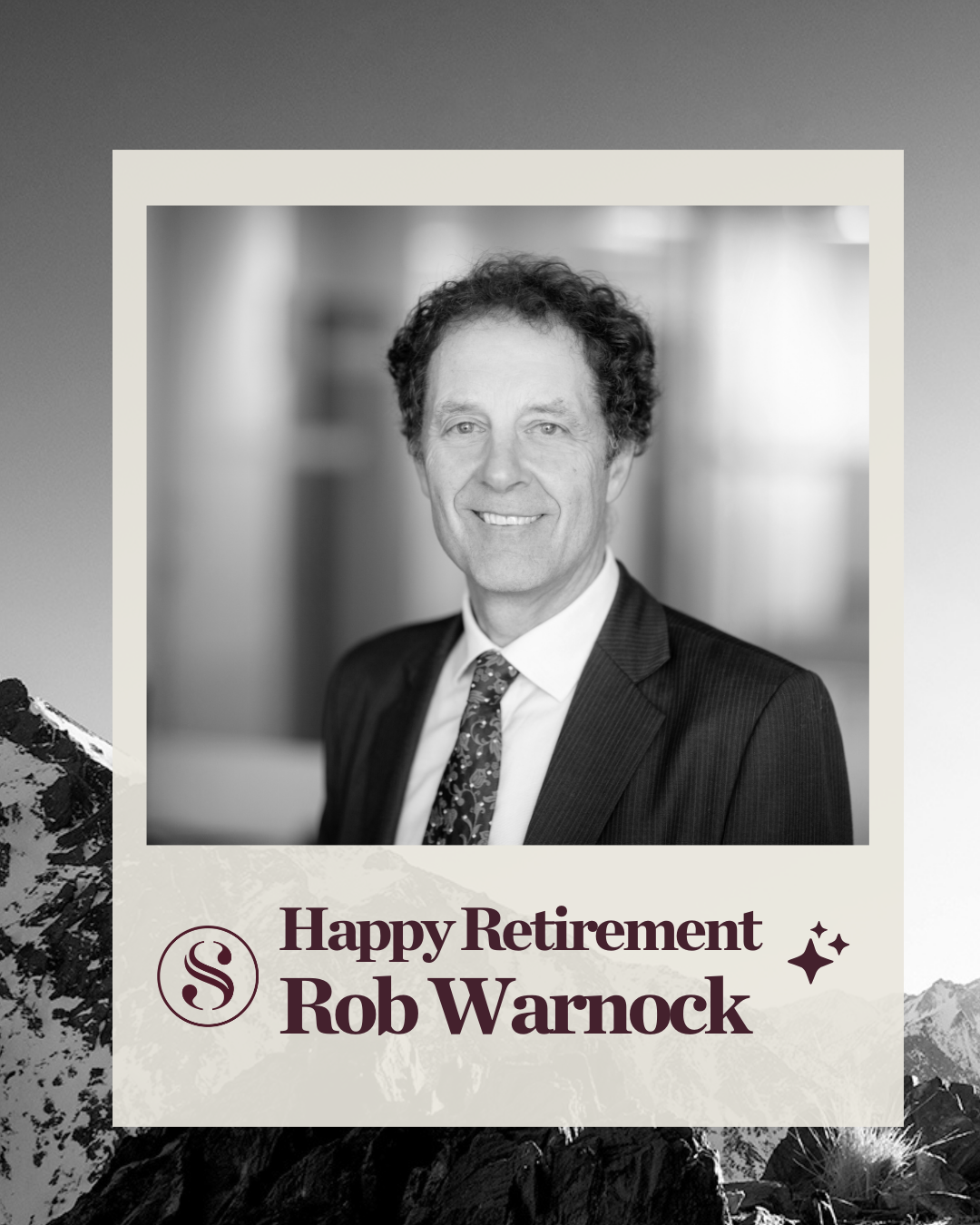
Rob joined us in 2019 (through the merger with Bernie O’Sullivan Lawyers) bringing 40 years of tax experience to our clients.